
Life after 60 guide
Single and over 60: a good life, with or without a partner
Being on your own is common at this age, and it can be a good place to be.
- Free to join
- Made for singles over 60
- Free ID and video checks
In short
Being single and over 60 is common and does not have to mean being lonely: many people build a full life around friends, family, hobbies and their community, and look for a partner only if and when they want one.
- Common: about three in ten US adults aged 50 and over say they are single, and nearly half of the people living alone in the UK are 65 or older.
- Not the same as lonely: living alone is a fact, loneliness is a feeling, and you can have either without the other.
- Staying connected: classes, volunteering, neighbours and regular activity with others all help.
- Company: friendship, a companion or a partner are all fine, and there is no deadline.
If you are single and over 60, you may be on your own by choice, after a divorce, after a loss or through a mix of all three. Whichever it is, you are in good company. This guide covers what the figures say, how being on your own differs from feeling lonely, ways to fill your days with people and how to meet someone if you would like to.
How common is it to be single and over 60?
Very common. In a Pew Research Center survey of US adults, about three in ten people aged 50 to 64, and about three in ten aged 65 and over, said they were single, meaning not married, not living with a partner and not in a committed relationship. An earlier Pew survey found that roughly half of women aged 65 and over (49%) were unpartnered, compared with about one in five men (21%).
Living arrangements tell a similar story. The US Census Bureau reports that nearly 3 in 10 adults aged 65 or over live alone, including 27% of women aged 65 to 74 and 43% of women aged 75 and over. In the UK, the Office for National Statistics counted 8.6 million people living alone, and 49.6% of them were aged 65 or over. Living alone is not the same as being single, but the numbers show how many people share your situation.

Made for this stage
Forever Match Senior is a friendly place to start for singles over 60
Forever Match Senior is made for singles over 60, so nobody has to explain why they are here. Joining costs nothing.
-
Look around first
See a daily list of suggestions near you before you write to anyone.
-
Friendship counts
Say whether you hope for friendship, company or a relationship, and the suggestions follow.
-
Rooms for groups
After verification, moderated chat rooms let you join in with several members, with no pressure to pair up.
-
Free verification
A quick ID check or a video chat with a moderator earns your profile a badge, free of charge.
Is being on your own the same as being lonely?
No. The National Institute on Aging explains that loneliness is the distressing feeling of being alone or separated, while social isolation is a lack of social contacts. You can live alone and feel neither, and you can feel lonely in a crowd. The CDC makes the same point: even a person with many friends can feel lonely, because loneliness reflects the gap between the connection you have and the connection you want.
That difference changes the question. Instead of asking why you are still on your own, you can ask whether you have as much company as you want. The World Health Organization estimates that one in six people worldwide is affected by loneliness, and that social isolation may affect up to one in three older adults. Both are common, and both can be eased.
Why do so many people enjoy being single and over 60?
Because being single in your 60s can bring real freedom: your own routines, your own decisions and your own pace. Pew Research Center found that half of all singles are not looking for a relationship or dates, and the two most common reasons were having more important priorities (47%) and simply liking being single (44%). Among unpartnered adults aged 65 and over, only 16% said they were looking.
If that is you, nothing here is meant to talk you out of it. Being single and over 60 is a perfectly good way to live. One finding is worth a second thought, though: among people not looking to date, 30% of those aged 65 and over said feeling too old was a major reason. Plenty of people your age do start new relationships, and you are free to change your mind later.
How do you stay connected as the years go by?
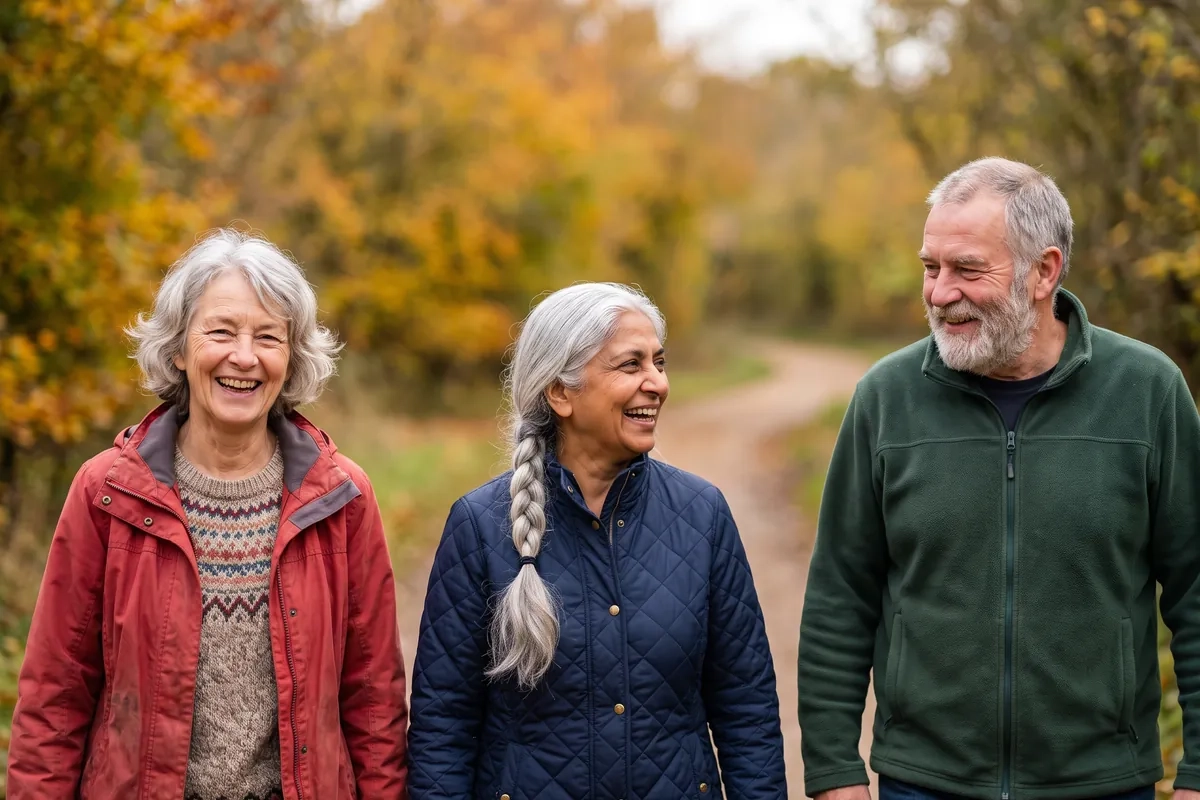
The National Institute on Aging suggests a handful of simple habits. Choose something you enjoy and do it with other people, whether that is restarting an old hobby, taking a class or joining a walking club. Volunteering helps you feel less lonely and gives you a sense of purpose. Set aside time each day to reach out to family, friends and neighbours by phone, video call, text or card.
Moving with others helps twice over. The institute advises adults to aim for at least 150 minutes of moderate activity a week, and doing it with a friend or a group adds a social side. Your local library or community centre may run classes in email and video calls.
Five habits
Which five habits help most at this stage?
None of these needs a big change. Pick one this week and add another when it feels natural.
-
Join something regular
A weekly class, walking group or hobby club puts the same friendly faces in front of you again and again.
-
Give some time
The National Institute on Aging says volunteering helps you feel less lonely and gives you a sense of purpose.
-
Keep daily contact
A short call, text or card to a friend, relative or neighbour each day keeps your circle warm.
-
Learn the tools
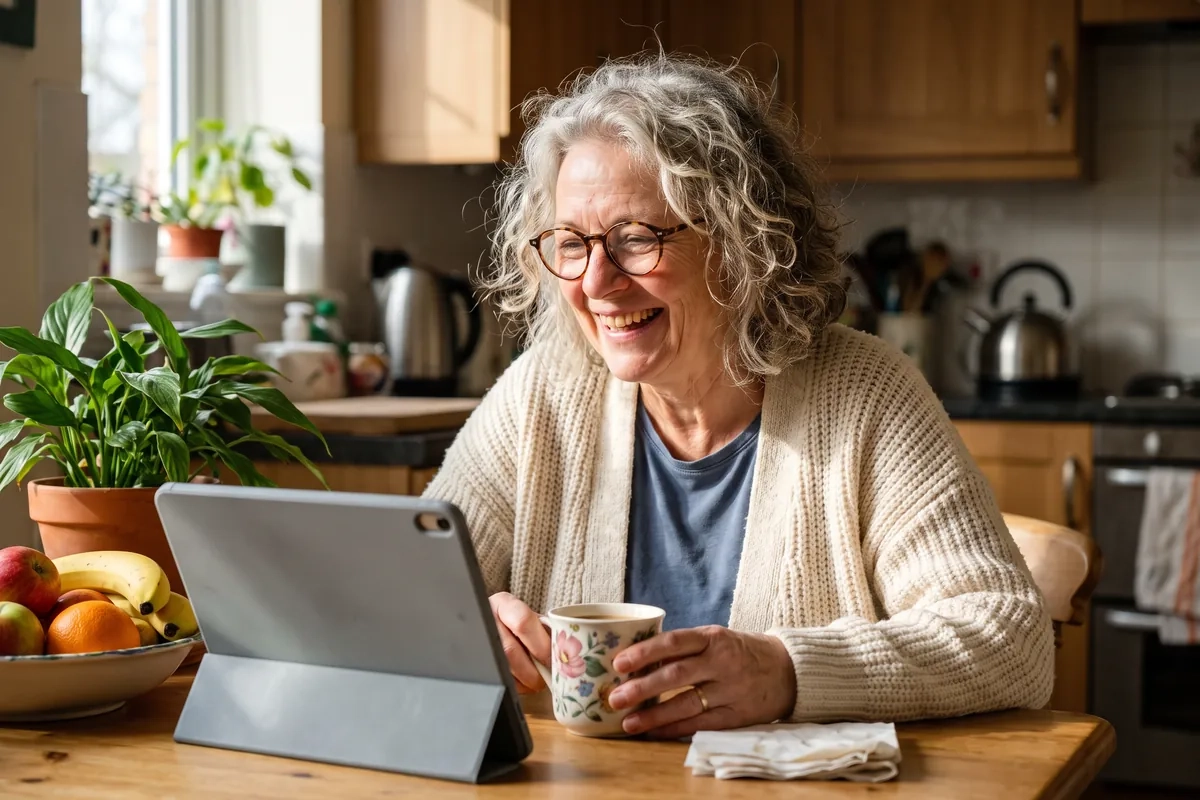
Video calls bring distant friends into your kitchen, and many libraries run free classes to help you start.
-
Greet your neighbours
The World Health Organization lists a hello to the people next door among the simple steps that build connection.
Free to join
Your life, your pace. Good company is here when you want it
Join free, see who is near you and write only when you feel like it.
Join freeWhat changes after a loss, a divorce or retirement?
A lot can change at once. The National Institute on Aging lists a major life change, such as the death of a family member or retirement, among the things that can raise the risk of loneliness and social isolation, along with living alone, trouble getting around and hearing or vision problems. The CDC adds divorce and the loss of a loved one.
Tell your doctor if you feel isolated or low most of the time. The institute notes that a doctor who knows about your losses is better placed to understand how you feel, and that untreated hearing loss can make conversation harder, so it is worth having your hearing checked. In the US, the Eldercare Locator on 800-677-1116 connects you with local support. In the UK, Age UK's free Advice Line is 0800 678 1602. Our guide to dating as a widower looks at the next step after a loss.
How do you meet someone if you are open to it?
Start where you already feel at home: the class, the group, friends of friends. Online dating is one more door, not the only one. Pew Research Center found that about a quarter of single adults aged 50 and over who were looking had used an online dating platform in the past year, so you would not be alone in trying it.
If you do, go slowly. Write a few honest lines, add a recent photo, message one or two people, then talk on the phone before a short daytime meeting. Our guide to dating at 60 follows the first months step by step, and dating over 60 covers where to meet people and how to plan a first date.
What if you want company but not a partner?
Many people who are single in their 60s want exactly that: someone to share a walk, a concert, a trip or Sunday lunch, without joining households. Some couples go further and stay together while keeping two homes, an arrangement explained in our guide to living apart together.
On Forever Match Senior you say on your profile whether you hope for friendship, company or a relationship, and your daily suggestions follow. Once your profile is verified you can also join moderated group chat rooms, a gentle way to talk with several members at once.
How do you stay safe when you meet new people?
The basics are the same whether you meet through a club or a website. Meet in a public place by day, tell someone close to you where you are going, make your own way there and back, and never send money to someone you have not met.
Blocking someone takes one click on Forever Match Senior, and reporting a profile takes two. Our guide to romance scams lists the warning signs.
How can you get started today?
You do not need a big plan. Pick one small thing: ring someone you have not spoken to for a while, look up a class at the library or take a look around Forever Match Senior. Joining is free, and free members get daily suggestions, ID and video checks and a few messages each day. VIP adds unlimited messaging if you want it later.
Single and over 60: your questions answered
Is it normal to be single and over 60?
Being single and over 60 is normal. In Pew Research Center's survey about three in ten US adults aged 50 and over said they were single, and nearly half of women aged 65 and over were unpartnered. In the UK, nearly half of the people who live alone are 65 or older.
Is being single bad for your health after 60?
Being single is not in itself a health problem. What research links to health risks is loneliness and social isolation: the National Institute on Aging says they are associated with higher risks of heart disease, depression and dementia, among others. The remedy is to keep your connections up, with or without a partner.
Do you have to date when you are single and over 60?
You do not have to date when you are single and over 60. Pew Research Center found that half of singles are not looking, and a common reason is simply liking being single. If you feel open to company later, you can begin with friendship, a class or a chat room.
More from Forever Match Senior
- What the first months of dating at 60 are like
- Where to meet people and how to plan a first date
- Finding singles over 60 near you
- Dating again as a widower
- Living apart together explained
- Spotting a romance scam early
- How the group chat rooms work
- Is online dating worth it after 60? What the research says
- Speed dating over 60: is it worth trying?
- Membership options and prices
Free to join
A small step is enough to begin
Create a free profile, say what you hope for and meet people over 60 when the time feels right.
Join free